

Nishiki Market is known as Kyoto's Pantry, and for good reason. The variety of food to be found will blow the average foodie's mind. From fresh vegetables and seafood, right through to the fluffiest freshly cooked tofu doughnuts.
Nishiki Ichiba (Market) is known as Kyoto's Pantry. When you visit it is easy to see why. Unlike the massive sprawling outer section of Tokyo's Tsukiji Market, Nishiki is smaller. Or at least it seems that way due to its one long continuous line of shops.
Market History
The market has a very long history. The first store was set up by a fishmonger around 1311. During the Edo period (16th century), Nishiki became a true fish market with several wholesale fish stores opening.
In later years the market made the move from wholesale to retail expanding what was on offer from just seafood. Many of the stores that you will see at the market have been there for several generations.
What Will I find There?
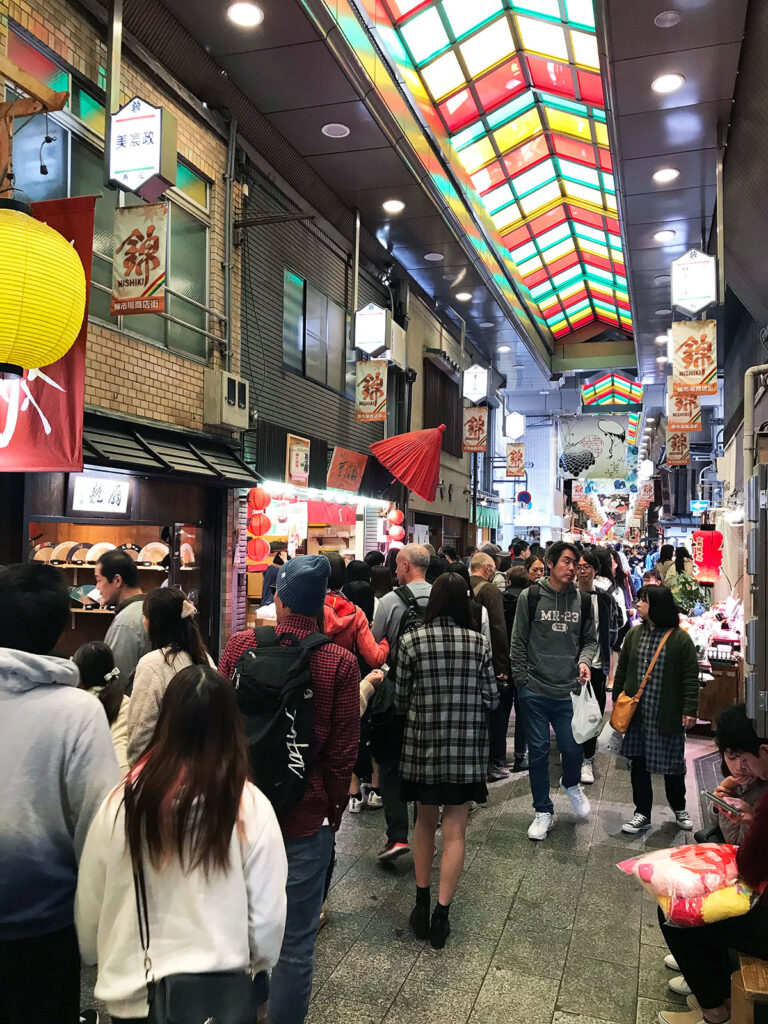
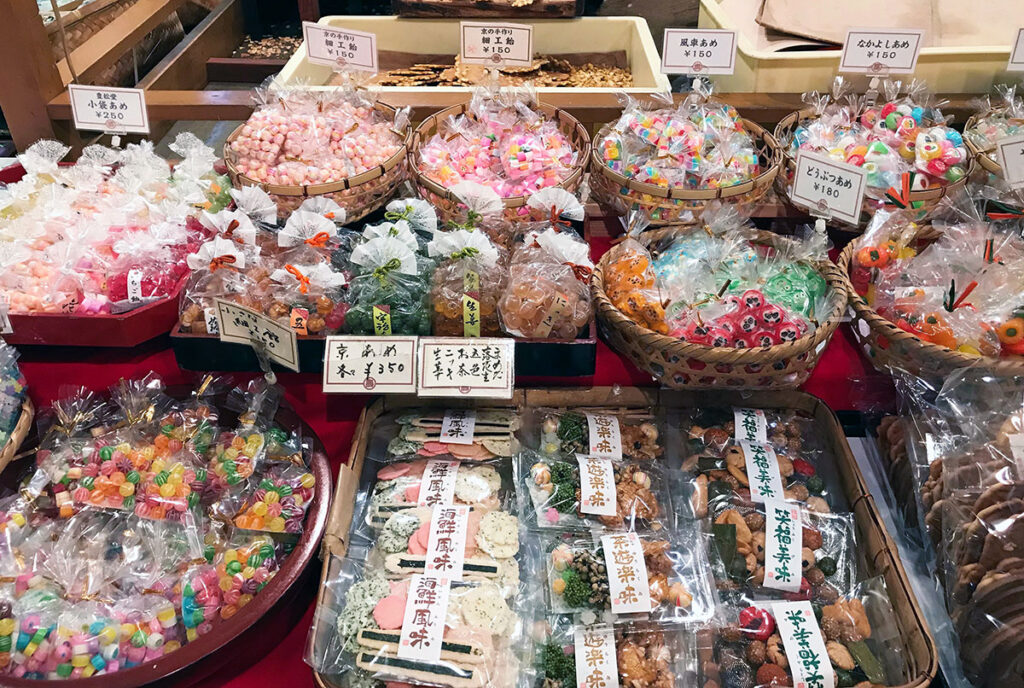
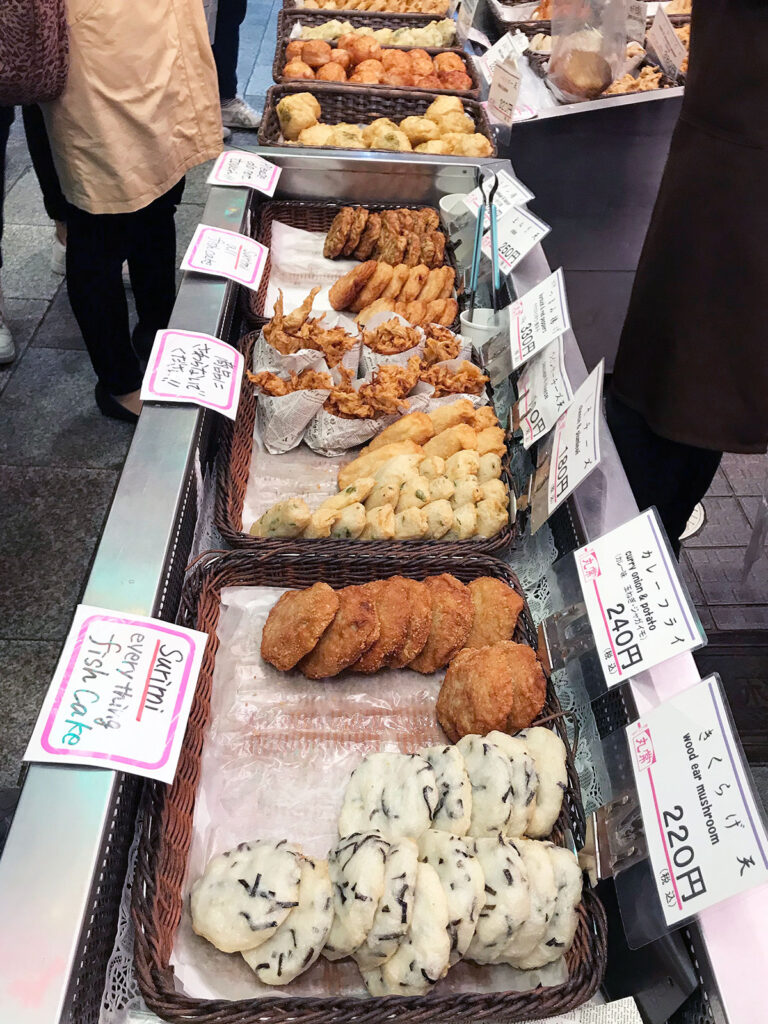
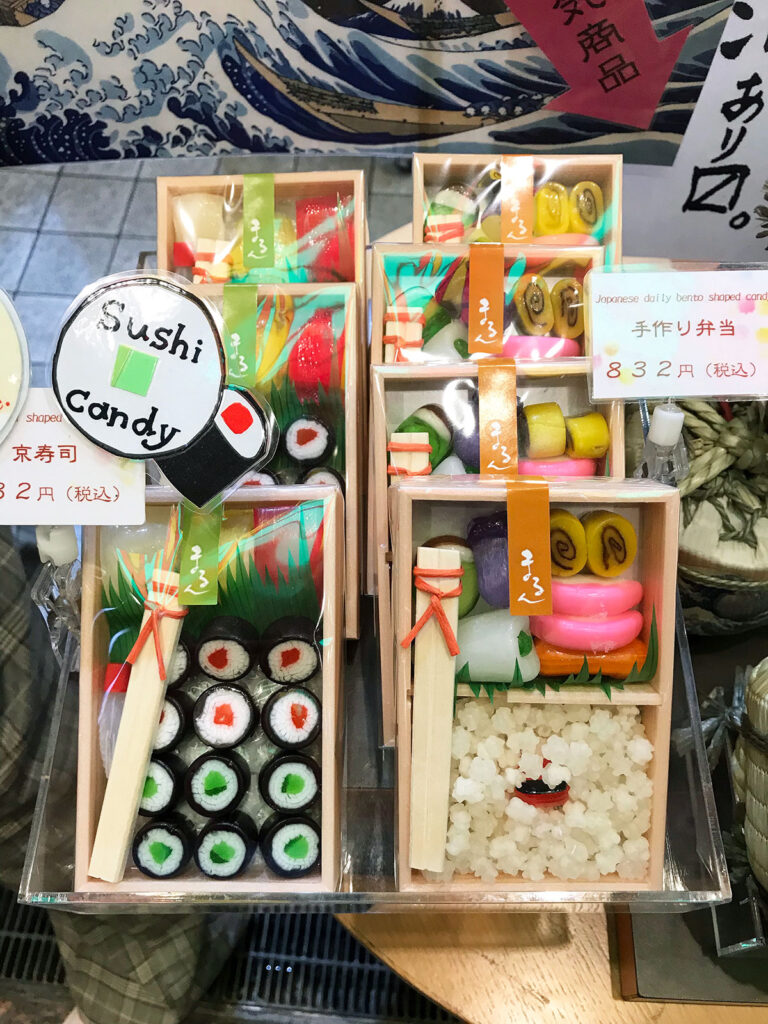
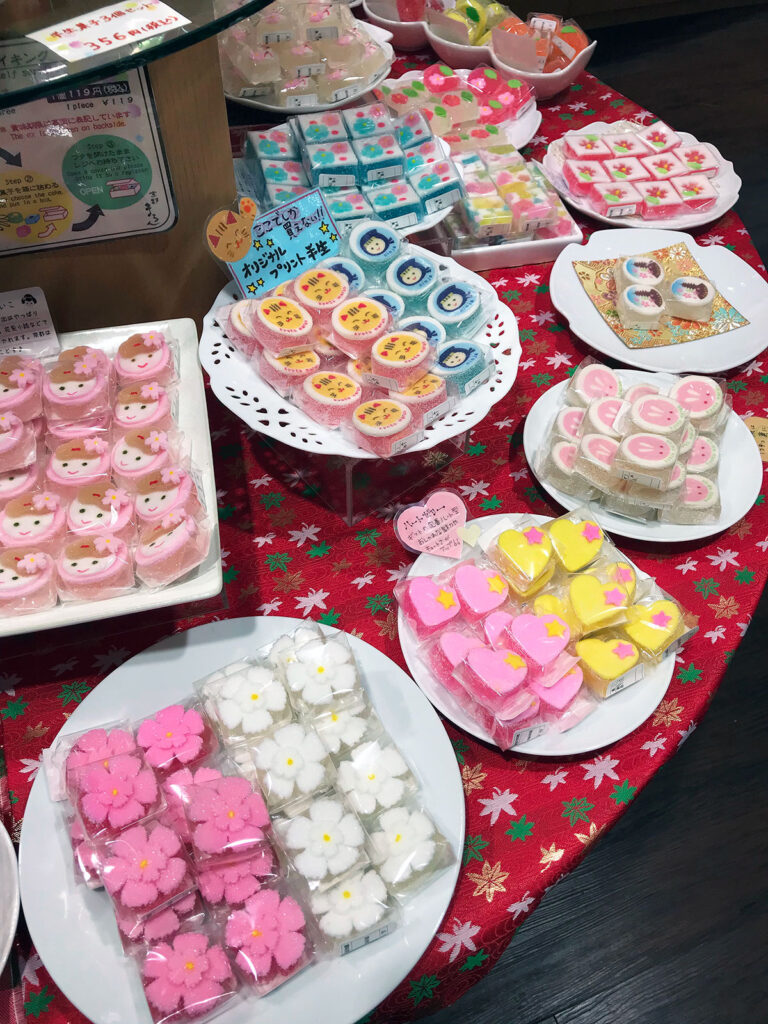
There are around 130 shops and stalls that run down both sides of the covered pedestrian walkway. It is a culinary delight walking amongst the stores and stalls. You will find all sorts of goodies; pickles, Japanese sweets, dried food, sushi, fresh seafood, vegetables, flowers, sake, rice, ceramics, cookware, as well as the Nishiki Market Knife Shop.
There are samples galore to try. The merchants are friendly and encourage you to try what they have on offer. Almost everything that you find at Nishiki is locally produced or procured.
There is an assortment of food designed to be bought and eaten at the market. If you do buy a snack or two to enjoy there are a few rules to follow.
- Do not walk and eat. This is a no no in Japan in general, but even more so at Nishiki Market.
- Eat at or in front of the shop you have purchased your food from.
- Do not eat food in front of the surrounding stores.
- Place trash in the garbage bins provided, but good luck finding them.
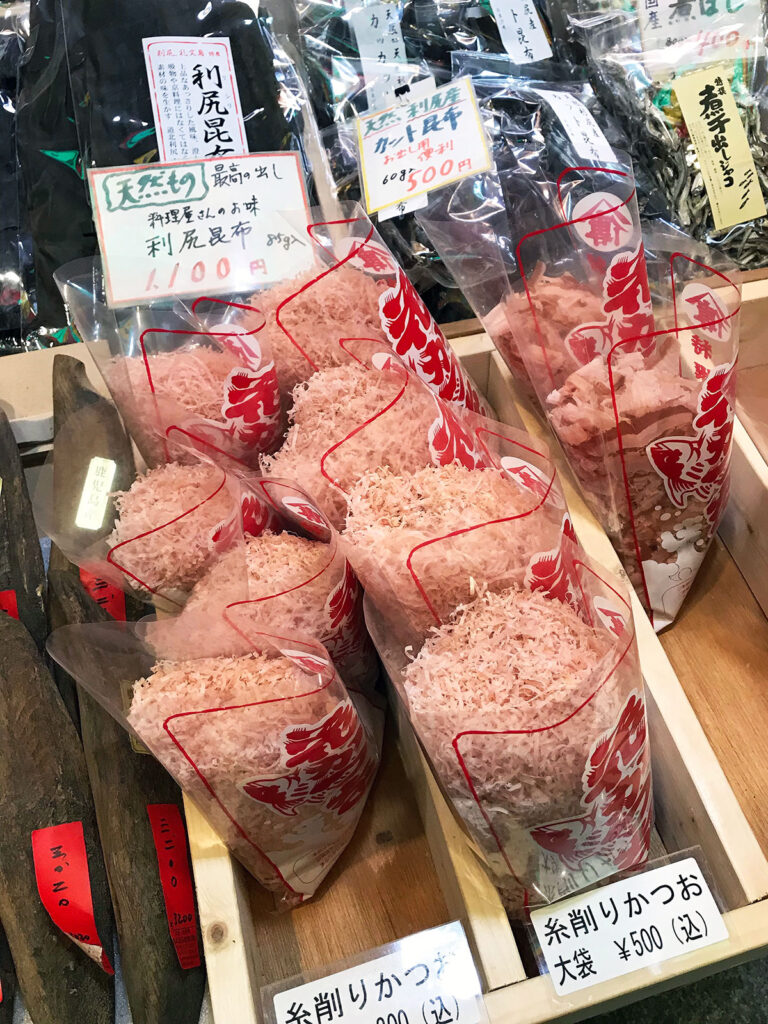
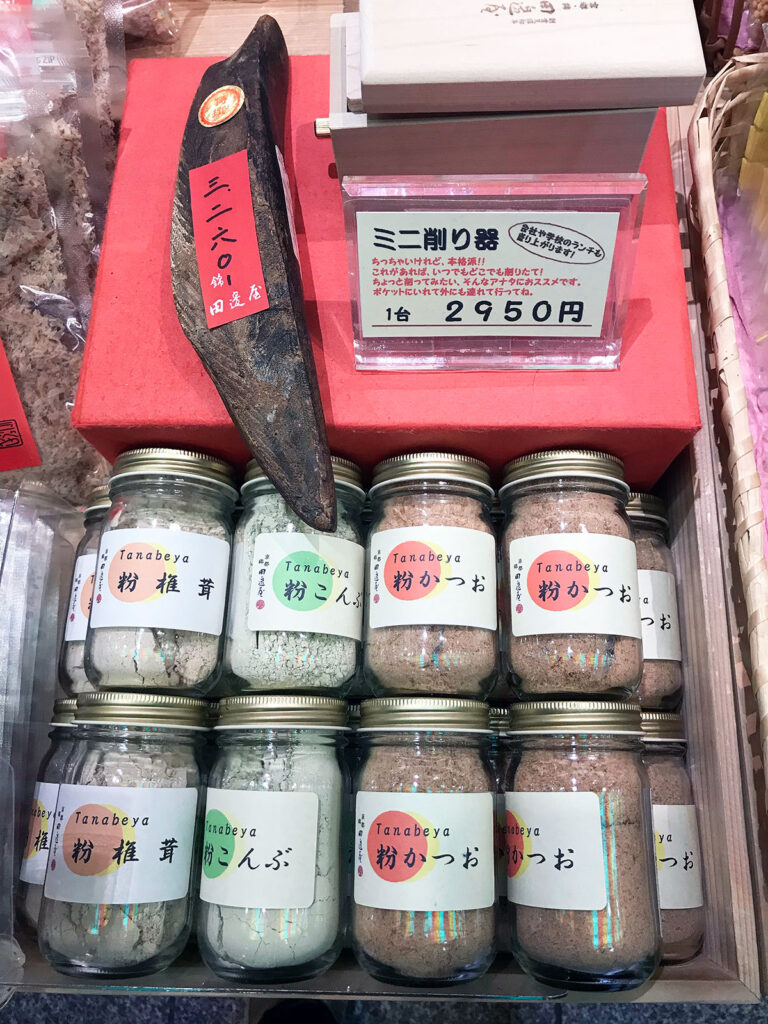
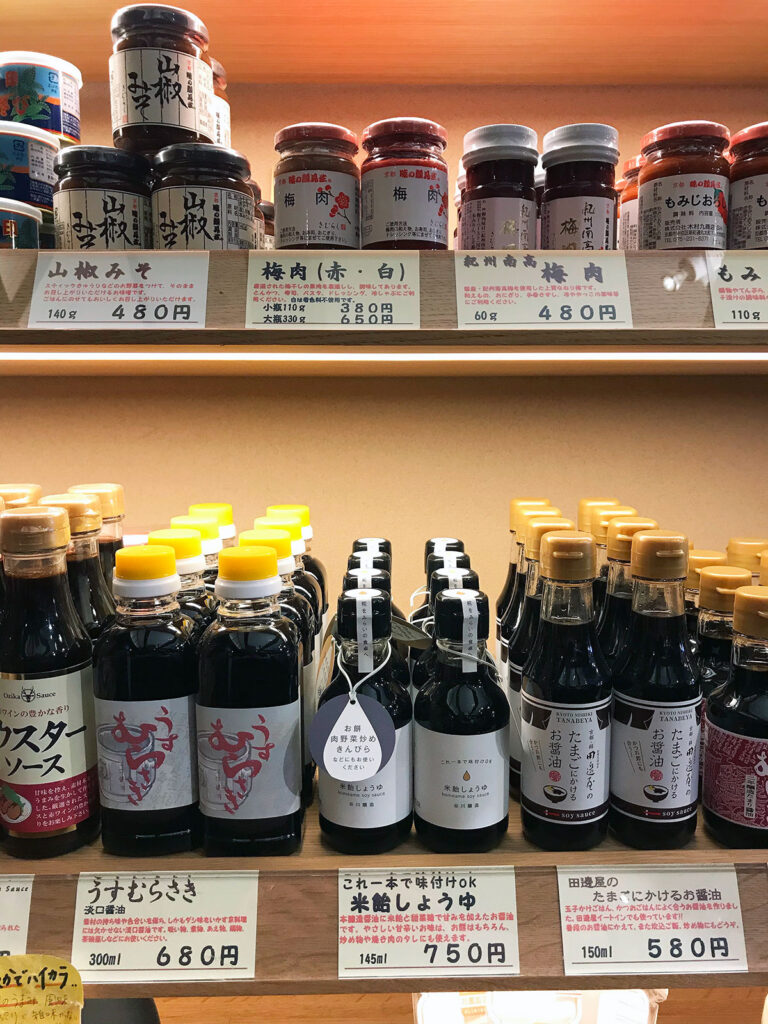
Besides samples and snacks, there are fresh and pantry staples to stock the pantry.
Can I do a Tour?
Yes, you can, though the Nishiki Market itself does not run tours. That gap has been filled by plenty of companies.
If it is your first trip to Japan, or you're not too familiar with Japanese ingredients and food, then you will benefit from a guided tour. You will come away from your visit with much more knowledge.
The benefit of taking a tour is you will have a local guide accompany you that speaks Japanese. They will be able to order for you and make recommendations on what to try. Plus all that insider knowledge!
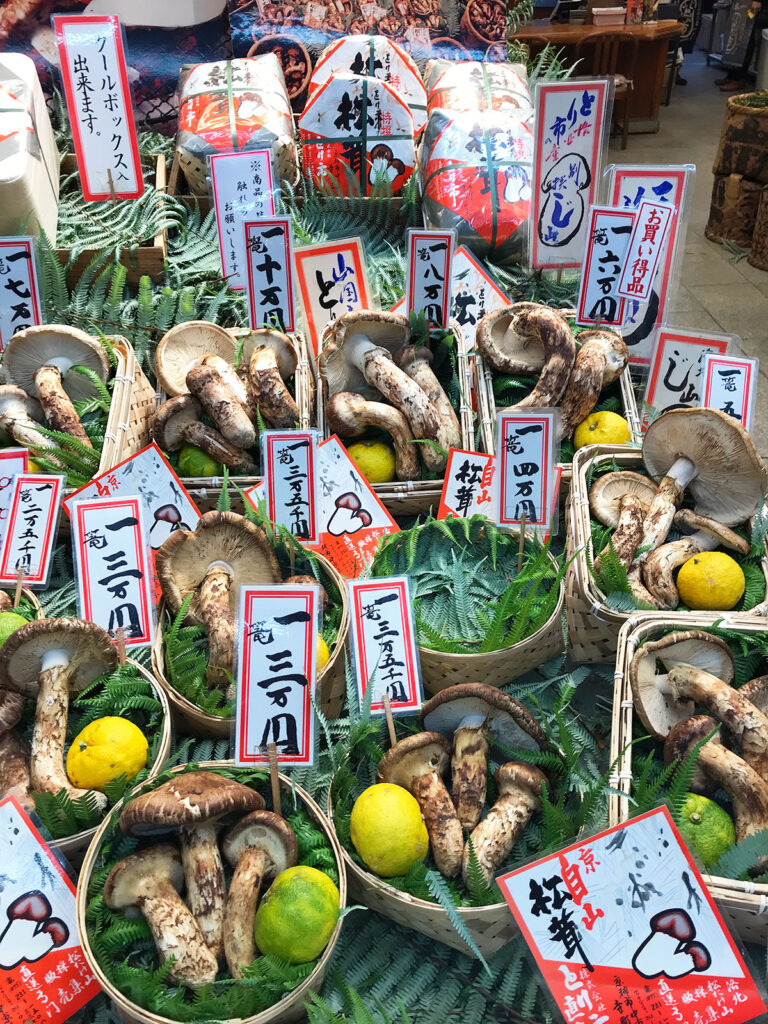
Must Eats
FOOD TO EAT ON THE GO!
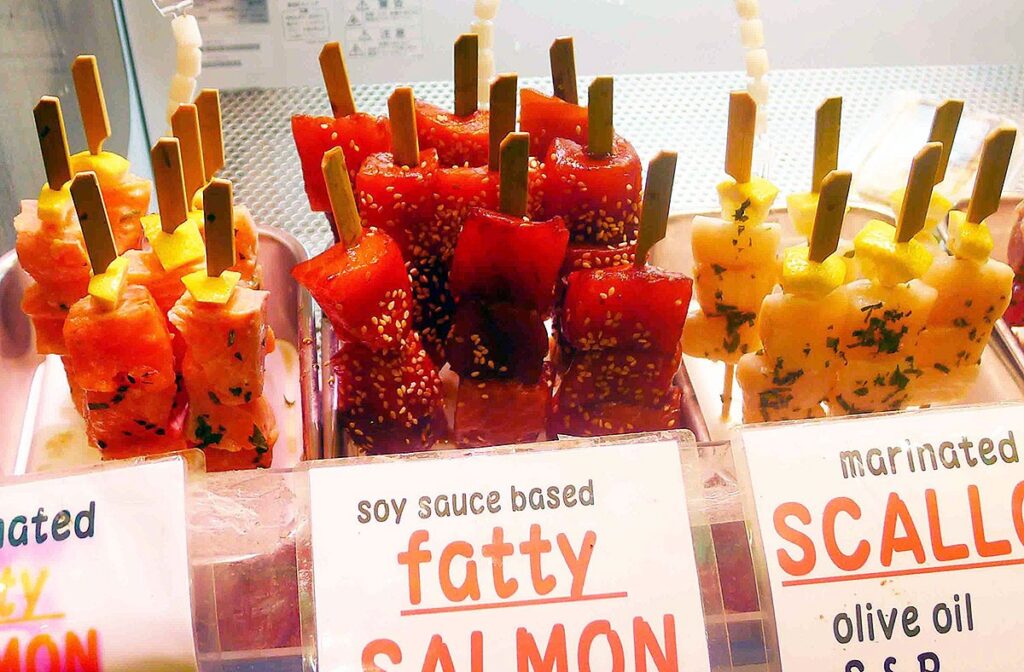
As a tourist, the best food in Nishiki Market is the food you can eat there or take away for a snack later. Go with an empty stomach as you will have plenty to choose from.
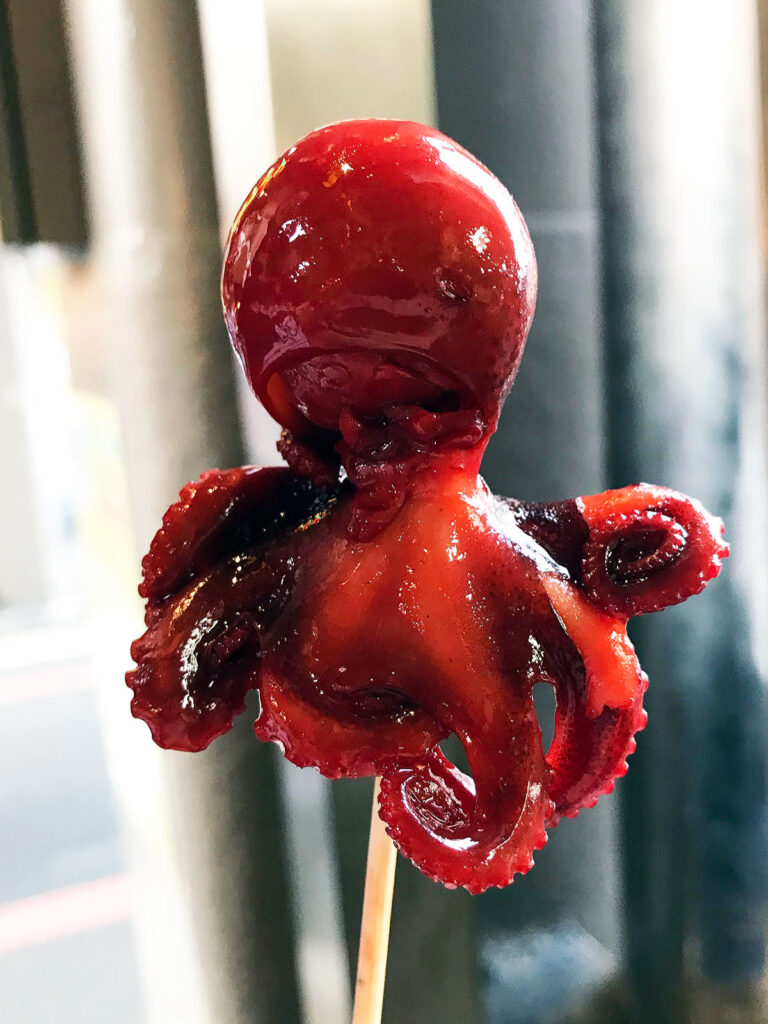
Do try the Tako Tamago. You can't miss these lacquer red cephalopod. They are a baby octopus with a quail egg stuffed in their head.
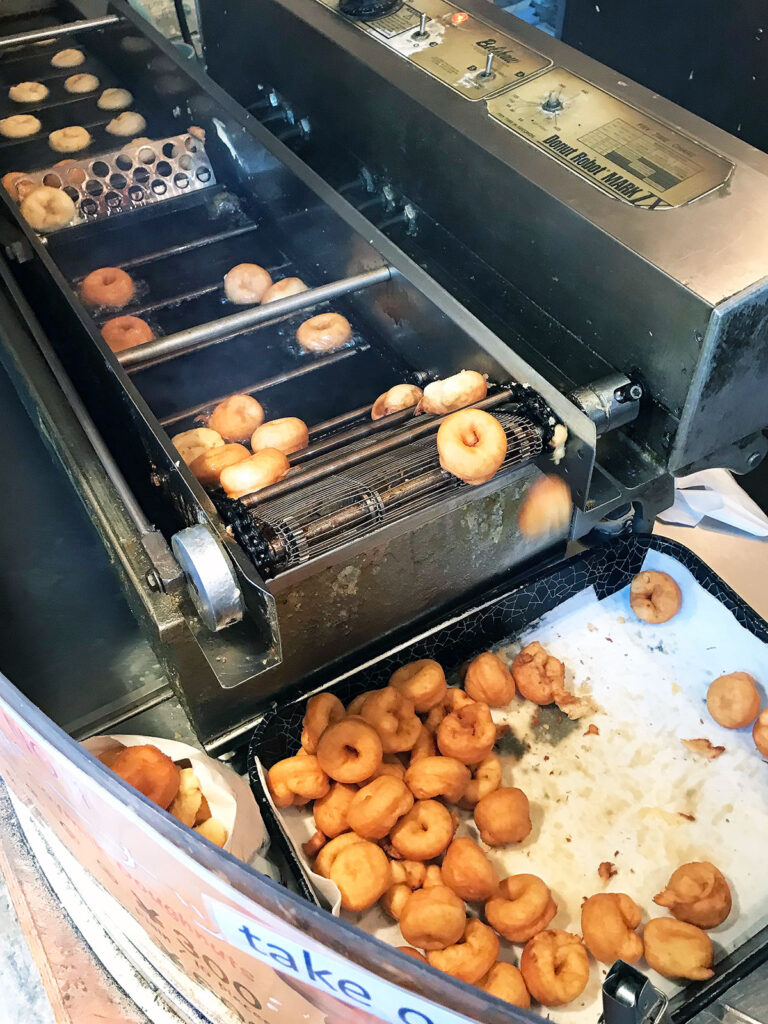
Do try a tofu donut from Konnamonja. They are incredibly light, fluffy, and exceptionally tasty. For non-lovers of tofu, you would never guess that is what they are made from.
FOOD TO TAKE WITH YOU
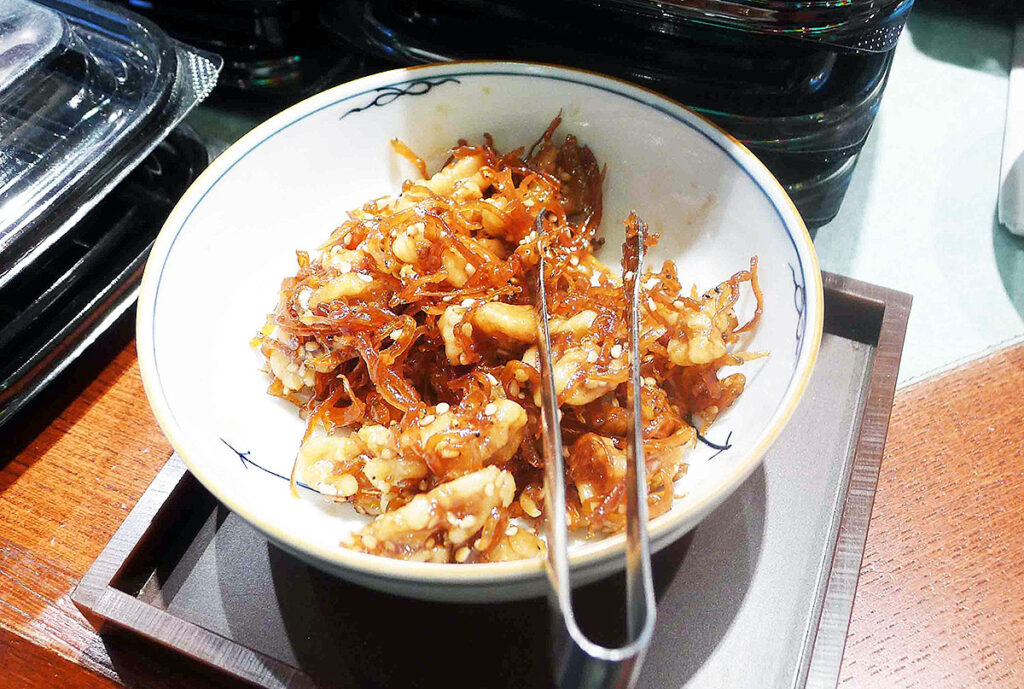
If you like to have a nibble while you are having a tipple, Nishiki Market is snack heaven for happy hour. Do try the teeny marinated fish called shirauo. The ones mixed with candied walnuts are particularly addictive.
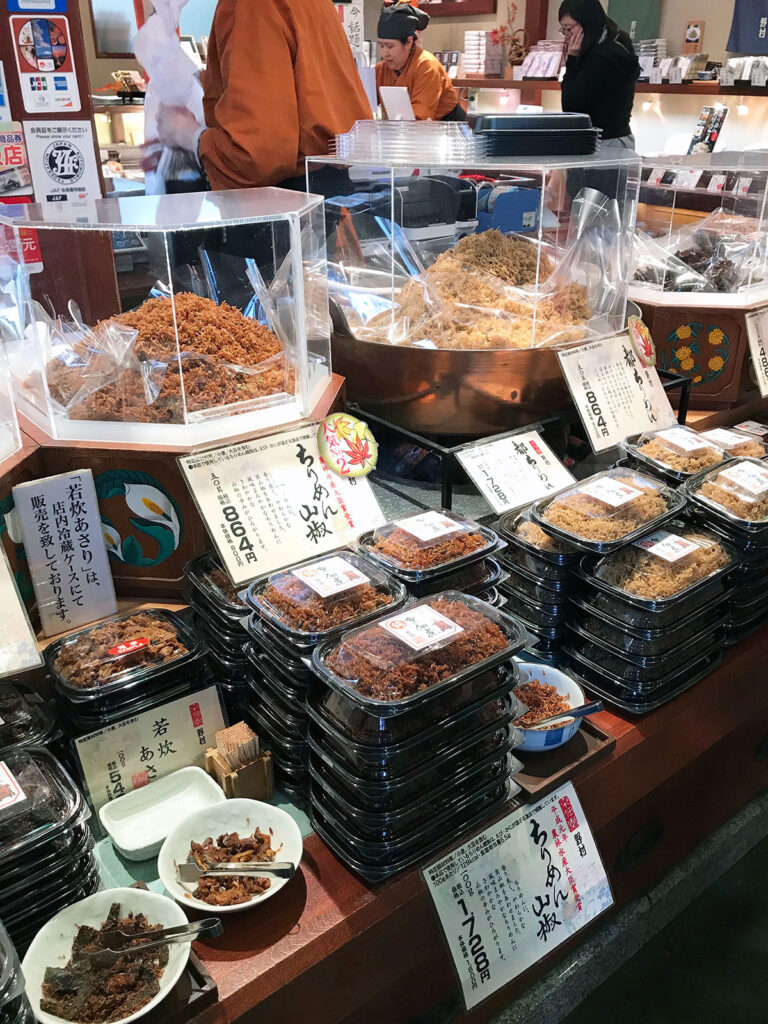
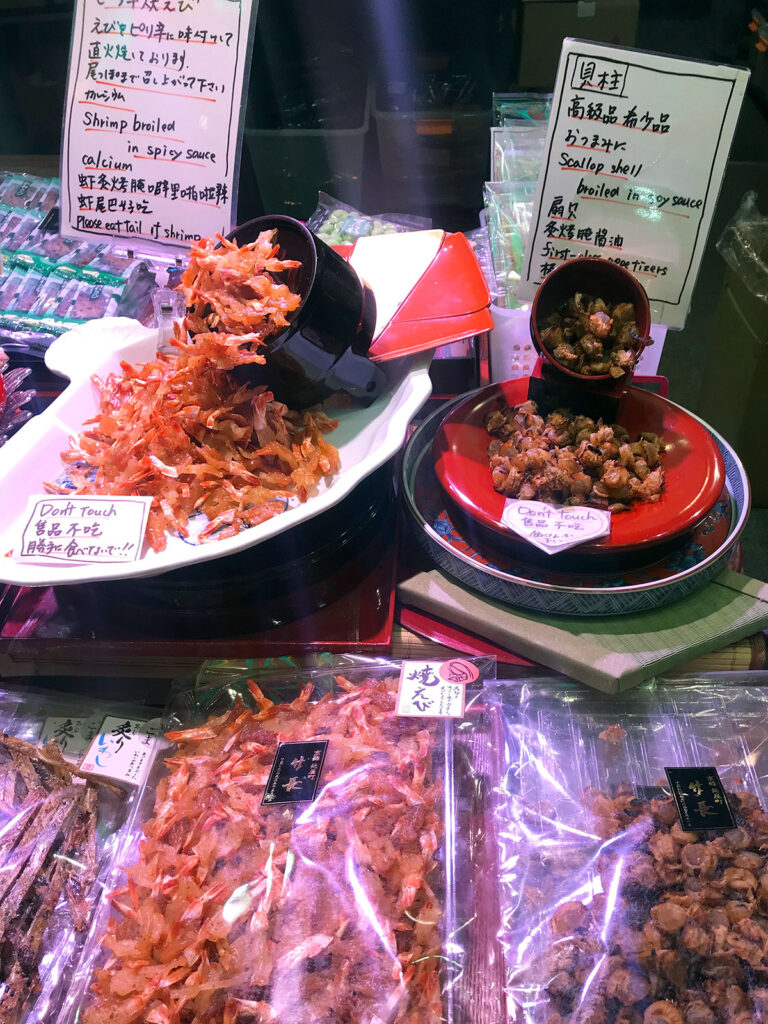
For those that have access to a kitchen there is plenty of ingredients and produce to play with. You will be the envy of most foodie tourists.
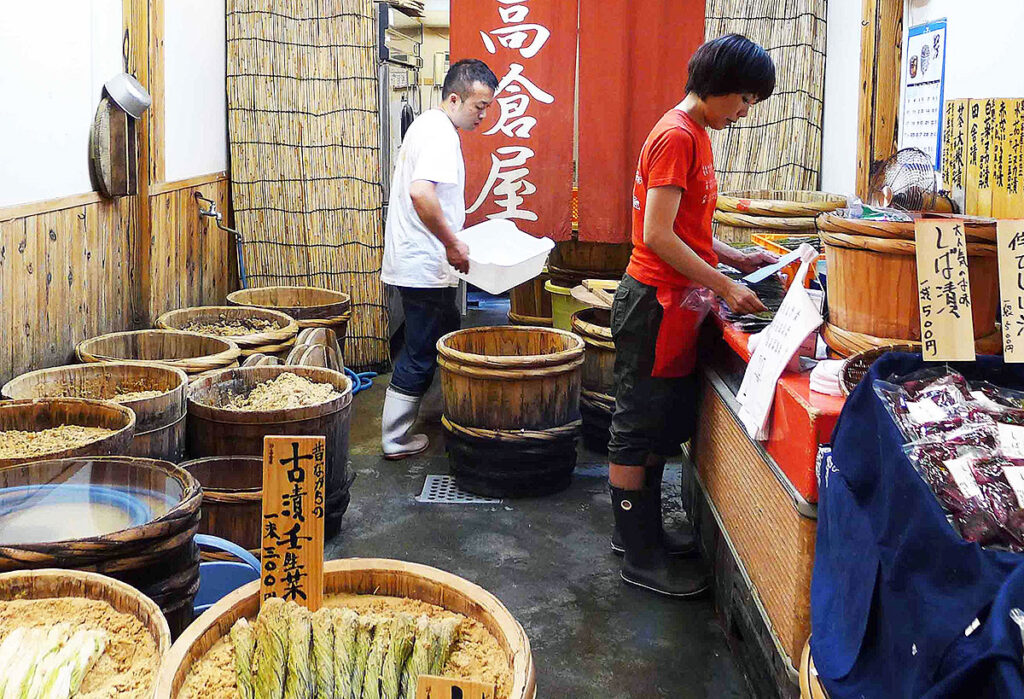
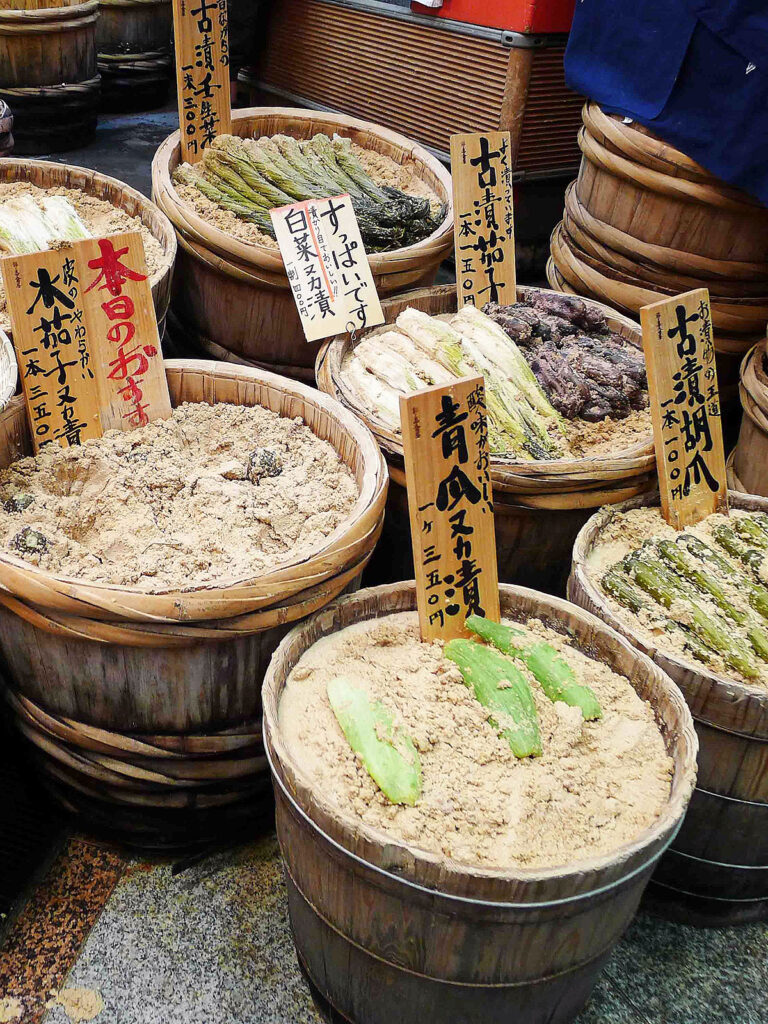
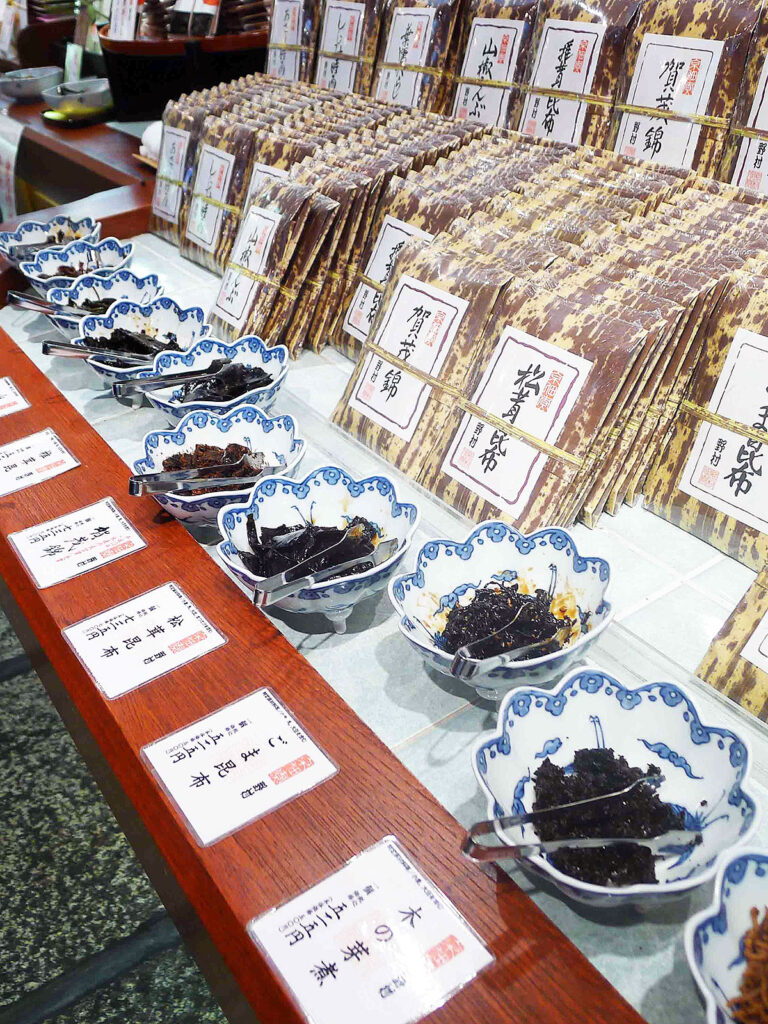
Pickles, pickles, and more pickles can be found at the market. Most will just have to have a taste test and admire. Unless you have access to a kitchen and plan on experimenting and cooking while you are in Kyoto.
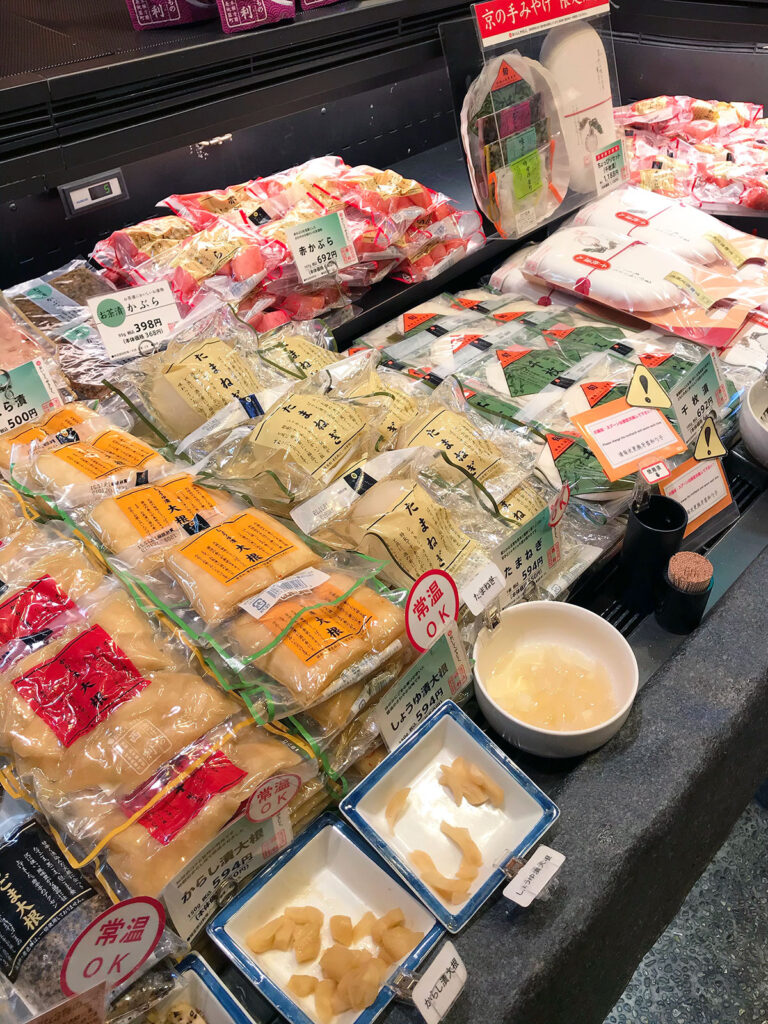
THERE ARE PLENTY OF SAMPLES TO TASTE
As I recommended visit on an empty stomach as you will be grazing from one end of the market to the other. There are so many delicious samples on offer.
Seafood & Whale Watching
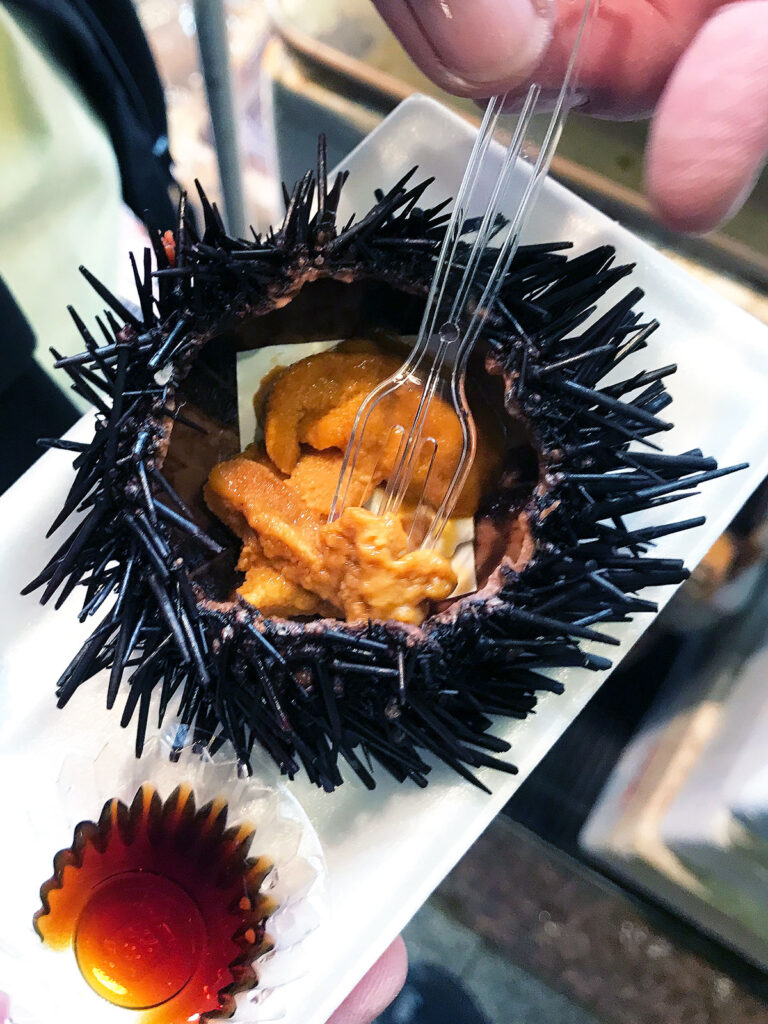
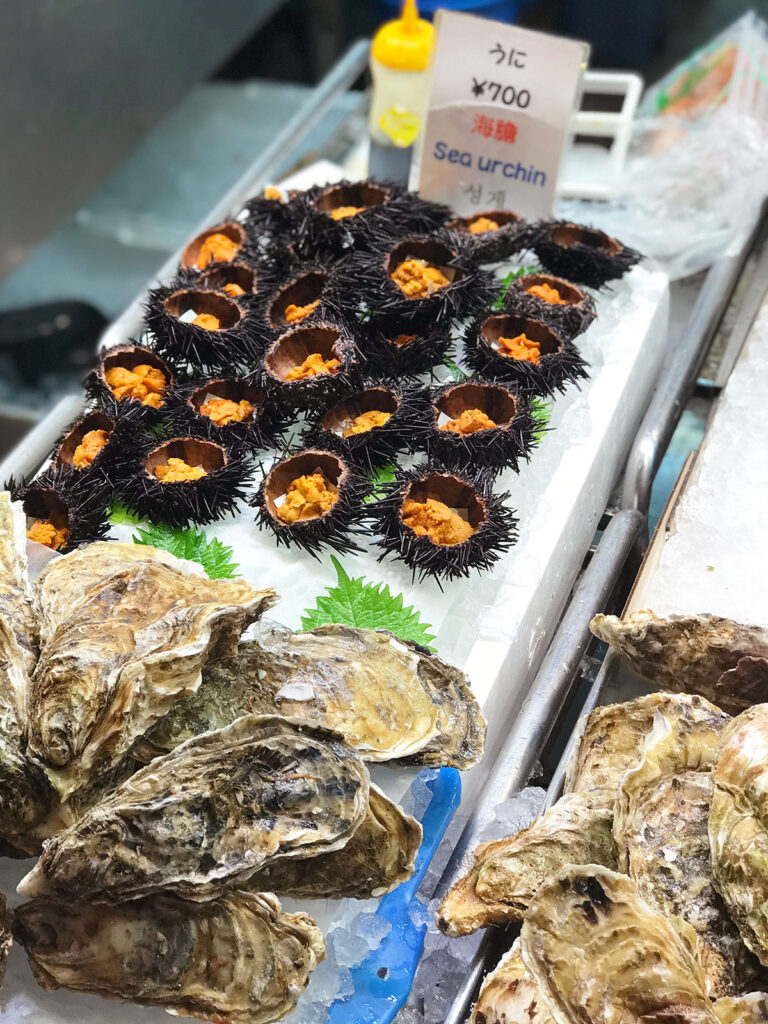
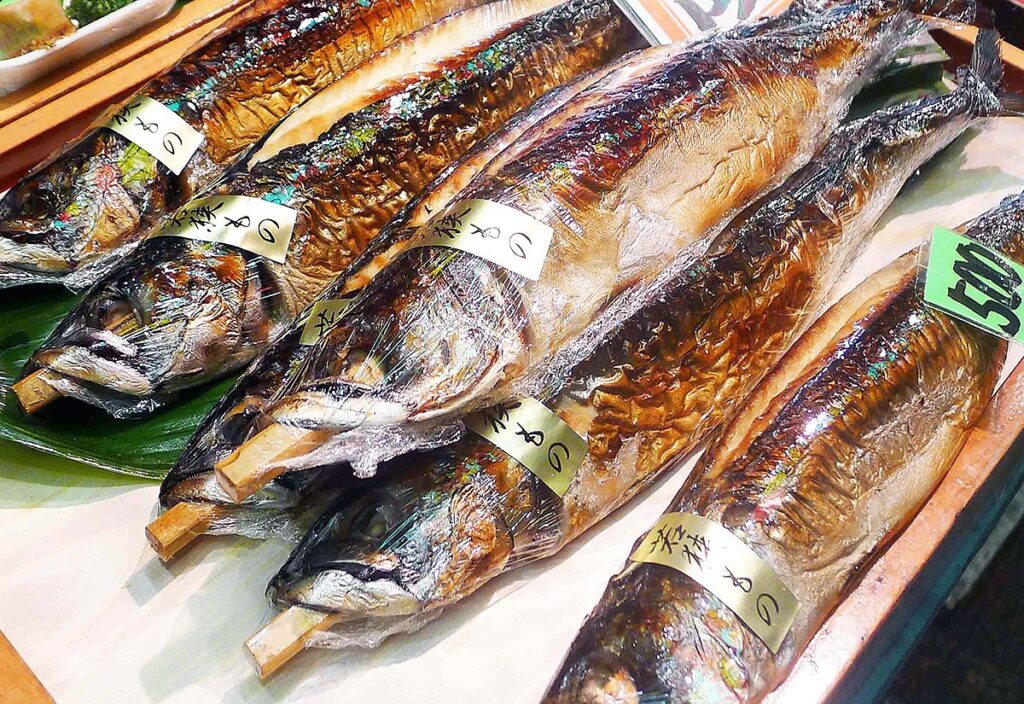
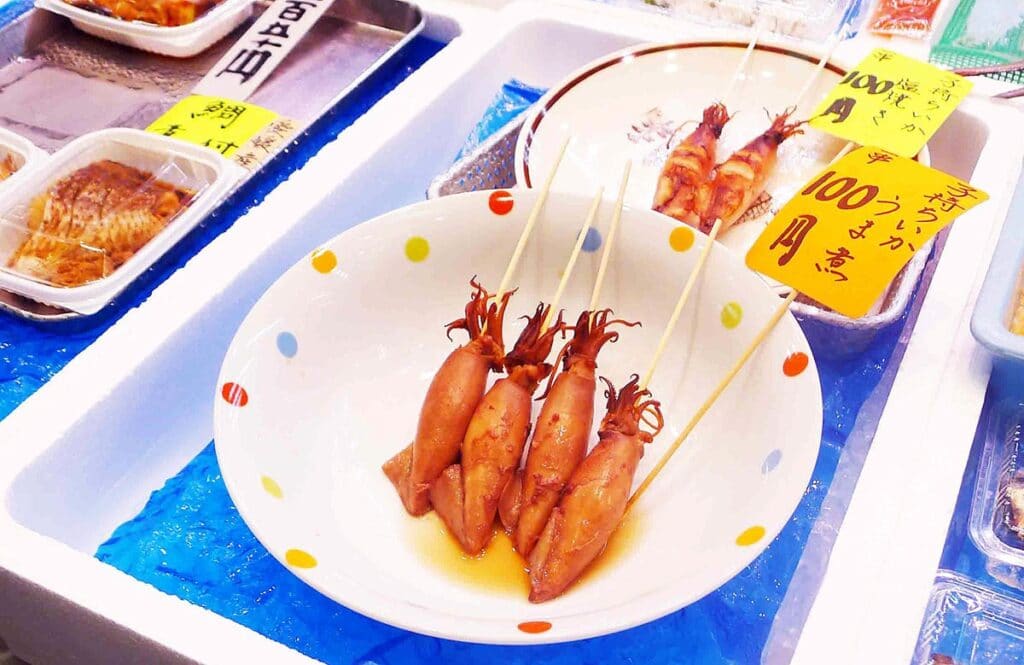
As the market originally was a fish market, you will still find an assortment of things that live in the water. Fresh uni to eat on the spot is a treat for the tastebuds. Cooked, raw, and still kicking, Nishiki Market has it all.
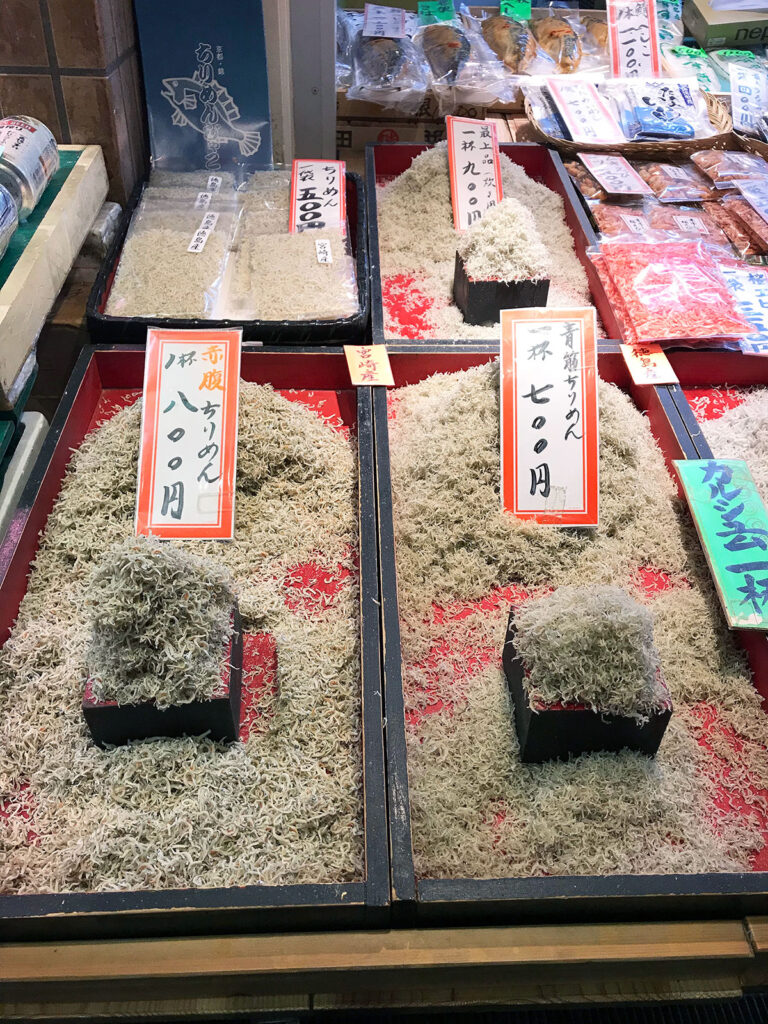
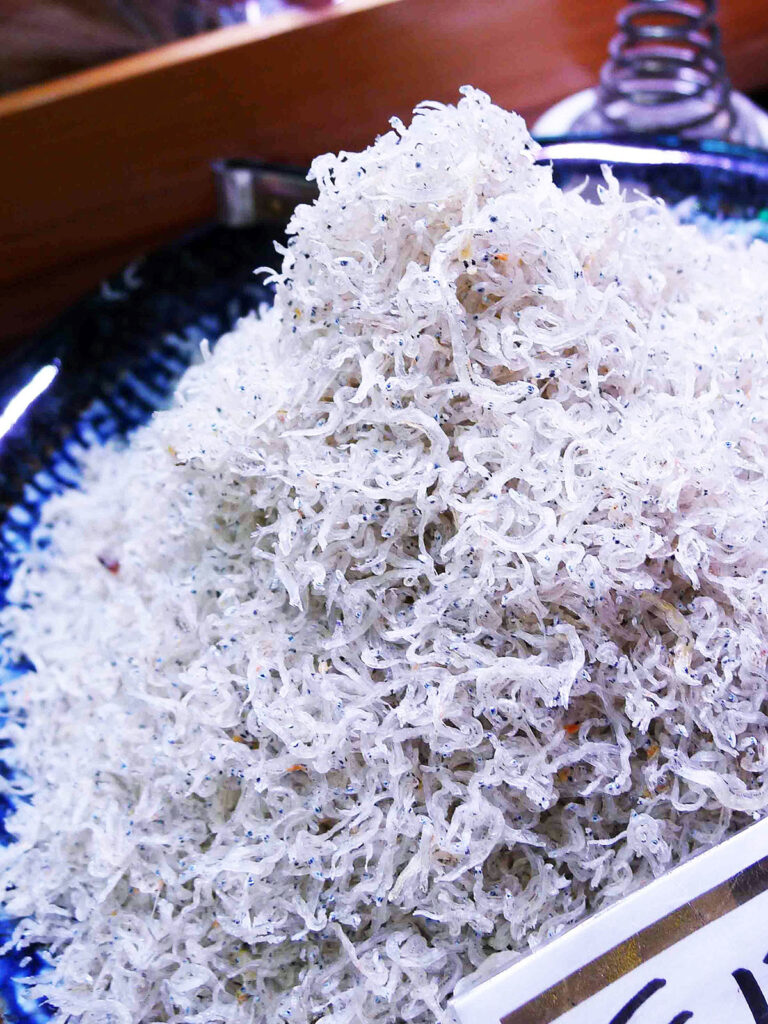
I mentioned shirauo (Japanese anchovy) earlier as a bar snack, which has been dried and flavoured. You can also buy it dried and unflavoured to use in cooking. Dried shirauo are mainly caught in the Kyushu and Kanto area.
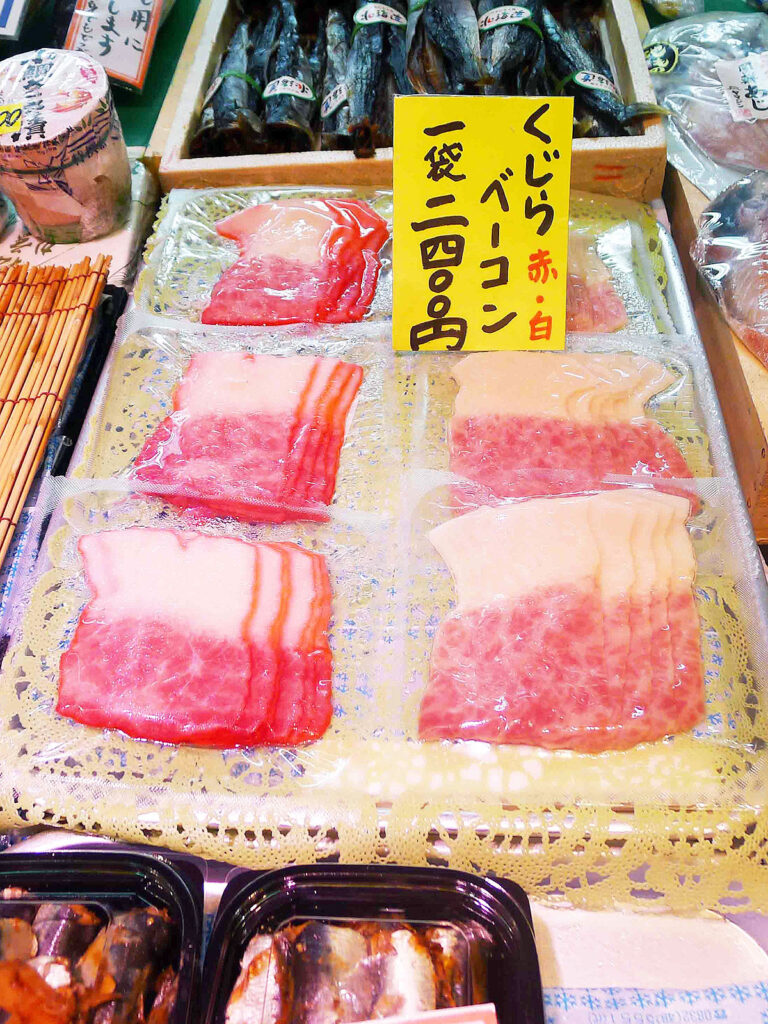
If you keep your eyes open you may very well spot whale "bacon".
Gifts to Take Home
Perfect place to pick up gifts for friends and family back home. Even if you live in Australia and New Zealand with tough quarantine laws, there will be suitably packaged items to take home.
Make sure that the item is commercially sealed with its contents clearly marked on the labeling. Yes, this will most probably be in Japanese, but that's okay. Be aware of items you aren't allowed to bring back with you.
Location & Best Time to Visit
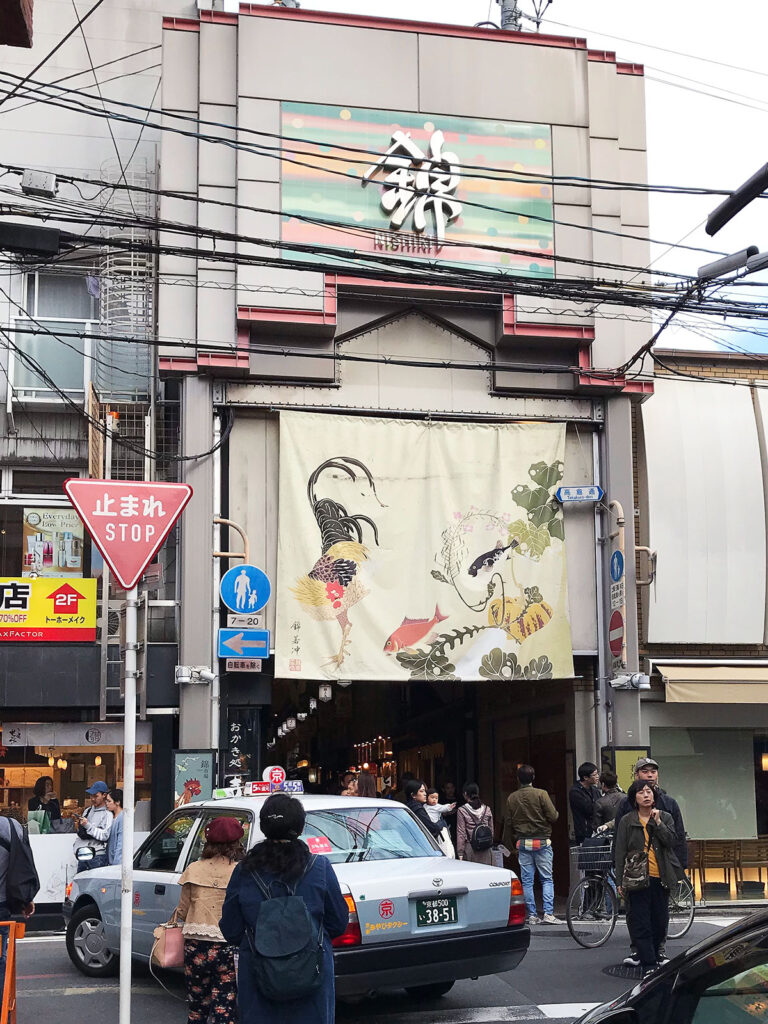
Nishiki Market runs parallel to Shijo-dori, one of the main shopping streets in Kyoto. The six block long market section of Nishikikoji-dori runs from Teramachi-dori to Takakura-dori.
The market is open seven days a week, 9.00am - 6.00pm.
Hours vary slightly from shop to shop and some shops may be closed the day you visit. Most shops will close one day a week, usually Wednesday or Sunday.
Avoid the crush!! Nishiki can get packed with tourists. To a point where it can be hard to move through the crowd. Go early in the morning, it is less crowded.